Home Blog Page 90

Overplayed and Underplayed Christmas Songs

by Antonio Zodda ‘14

After a fair share of Christmases on this earth, I’ve compiled a list of 10 songs, 5 of which make my mind numb at the thought of hearing them for the 5,697,145th time. The other 5, although not always played on those controversial 24-hour Christmas stations, deserve to be sought after.

Underplayed

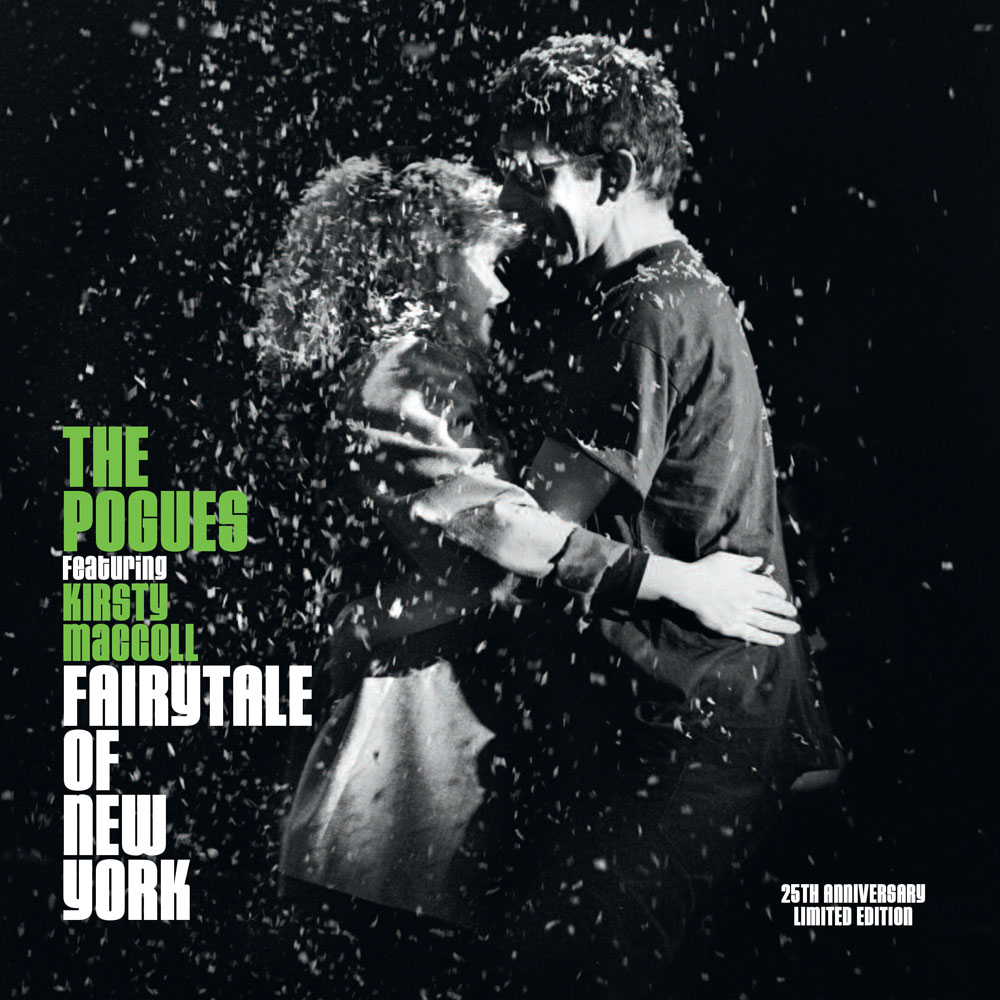
“Fairytale of New York” The Pogues and Kirsty MacColl
When I first listened to “Fairytale of New York”, I immediately wanted to hear it again. This folk ballad, despite its enormous popularity in Ireland and the UK, enjoys little more than a cult following in the U.S. outside the pub scene. Shane MacGowan and the late Kirsty MacColl’s back-and-forth vocals go exceptionally well with one another and the piece is tied together by the distinct piano riff and Celtic string arrangement. An essential for every Christmas collection.

“Father Christmas” The Kinks
In this heartwarming carol about mugging Santa Claus, The Kinks deliver the usual odd yet highly satisfying brand of early British punk rock that made them famous. At its heart, the song is really about the struggles facing working class families around Christmas time, and includes a less than subtle jab at the wealthy. It is an avant-garde anthem with a real message.

“Thank God It’s Christmas”  Queen
Freddie Mercury’s bellowing tenor and the band’s definitive harmonies are enough of a reason for you to put this song in its rightful place in your holiday collection. It is as positive as it is powerful, straying away from that “Blue Christmas” mentality that is heard in far too many holiday pieces. It has that classic fun Queen spirit and never takes itself too seriously.

“Christmas Must Be Tonight”  The Band
Titles rarely do a good Christmas song justice and this is especially true with this piece by The Band. The name makes it sound like any generic Christmas tune but The Band’s stylish blend of country and rock resonates deeply in the hearts of romantic listeners and tells the story of Christmas in a whole new way. Robbie Robertson and the gang put their hearts into the track.

“Christmas in the Trenches” John McCutcheon
No list of underplayed songs is complete without a folk tune. What sets this one apart from the countless other folk carols never making their way to a broadcast station is how remarkably stripped away it is from the tropes like sleigh bells and pop beats that dominate the airwaves. Yet it still retains artistic integrity. “Christmas in the Trenches” tells the true story of a World War I ceasefire on Christmas between Germany and England from the view of a British soldier. In its simplicity, the song exemplifies the true meaning of Christmas.

Overplayed

“Wonderful Christmastime” Paul McCartney
While criticizing the work of a Beatle is something that I don’t do frequently, this little ditty without question deserves the “overplayed” accolade. It is three minutes and forty-five seconds of everything that was wrong with Wings and delivers a brief but grave foreshadowing of the onslaught of insufferable synth-driven “music” that we called the 1980s.

“Christmas Eve Sarajevo 12/24” Trans-Siberian Orchestra
This may be the only “good” song on the list. I’m not attacking this song for its content, but rather because there are dozens of other great TSO jams that remain unplayed on the radio. This piece is brilliant, especially live, but so is basically every other decked-out TSO classical arrangement and original. You will definitely be doing yourself a favor by buying one of their more obscure albums.

“All I Want for Christmas Is You” Mariah Carey
This is the epitome of a bad Christmas song, and as we have all seen, with bad songs come great airtime. This is without a doubt the most played song on the list and due to its enormous popularity (it has sold millions of copies) has been one of the most played Christmas pop songs since its 1994 release.

“Last Christmas” Wham
Michael and Ridgeley’s holiday opus is, at its core, a sort of feeble attempt at writing an anti-love song 80s hit. Between the countless covers and relentless overuse in movies and ads, this song is an unfortunately unavoidable and integral part of the holiday repertoire.

Anything Sung By Children
You know the ones I’m talking about: “I Want a Hippopotamus for Christmas,” “All I want for Christmas Is My Two Front Teeth,” “I’m Gettin’ Nuttin For Christmas,” etc. These cringeworthy tunes sung by gender-ambiguous 6-year-olds from the 1920s ruin any car ride fast. While I understand that some folks are into oversimplified, dated, and repetitive Christmas songs, I will never comprehend the average DJ’s obsession with these holiday-season aural train wrecks.

The top 5 Christmas flicks of all time

by Richard Benninger ‘14

There are any number of reasons students fail to do their duty to be informed about the Christmas movie scene, from falling behind because of extensive Mrs. Caputo essays or simply preferring to celebrate Festivus for the Restivus. Regardless of your excuses, I have created a top five Christmas movies list that should help get you back on track.

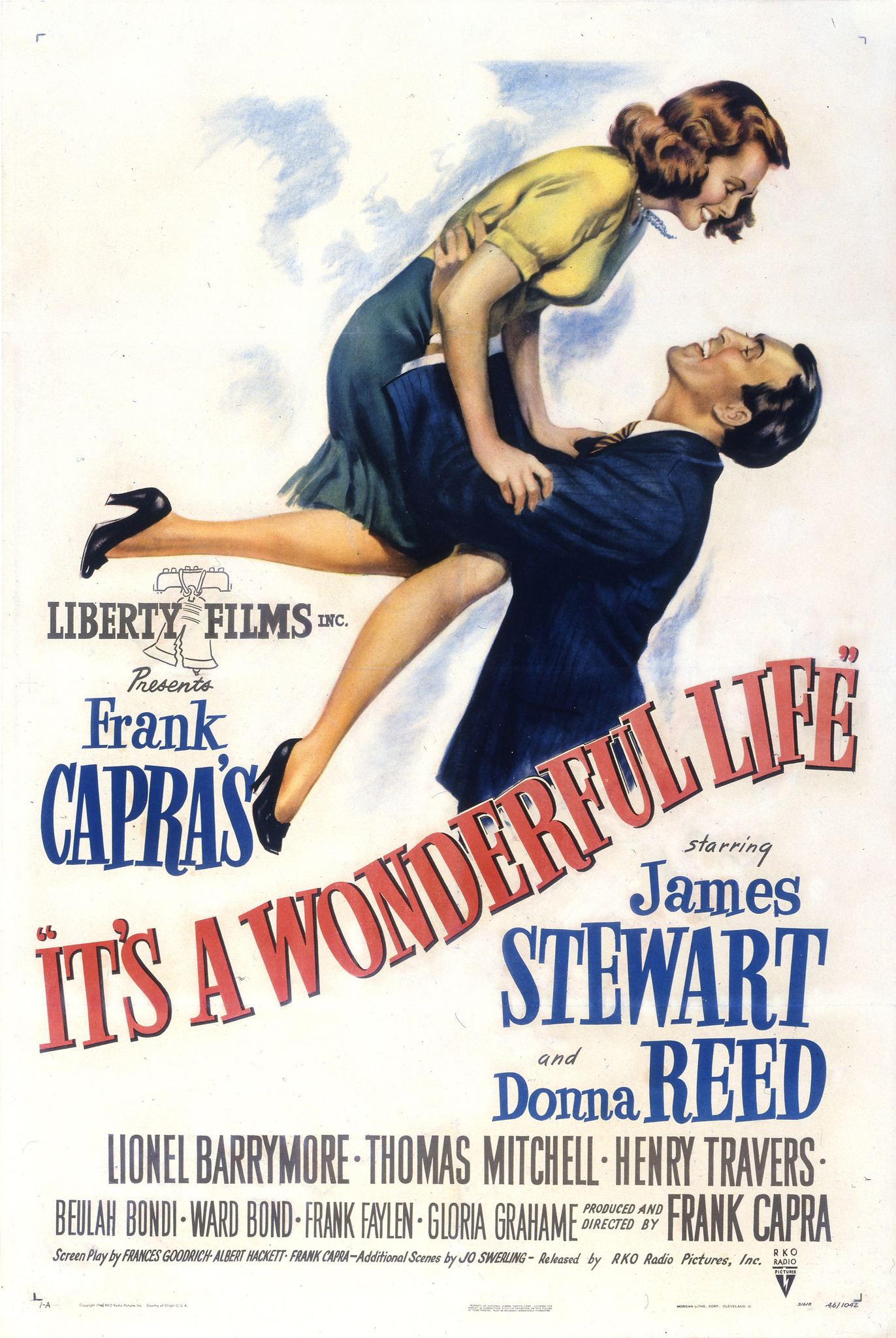
1. It’s a Wonderful Life

P22321.jpg(Insert boring classic black and white film here). Although very different from the other Christmas movies on the list, It’s a Wonderful Life makes a strong argument for the number one spot. It is in my opinion the most well-rounded Christmas movie of all time. If you are looking for some inspiration and Christmas spirit, this movie is sure to get you going.

2. National Lampoon’s Christmas Vacation

Each year I become increasingly disappointed with the small number of people that have seen this movie. If you have not yet had the privilege of watching the world’s most dysfunctional family Christmas, I suggest you make this film a visit.

3. A Christmas Story

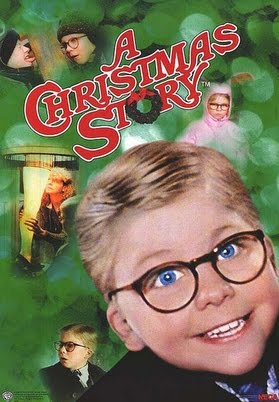
A Christmas Story PosterWhat is there not to like about A Christmas Story? It serves as an awesome shout out to the great city of Cleveland. A Red Ryder BB gun still stands as a great gift to get your child. But, a word of caution, you might want to buy him a spare set of eyes while you’re at it.

4. The Grinch

How the Grinch Stole Christmas is a popular Christmas tale that we all have come to cherish deep within our hearts. However, The Grinch starring Jim Carrey takes Grinchmas humor to a whole new level. This movie is sure to help its viewers develop a sense of appreciation for the many blessings we have this Christmas season. As the Grinch says, “One man’s toxic sludge is another man’s potpourri.”

5. Elf

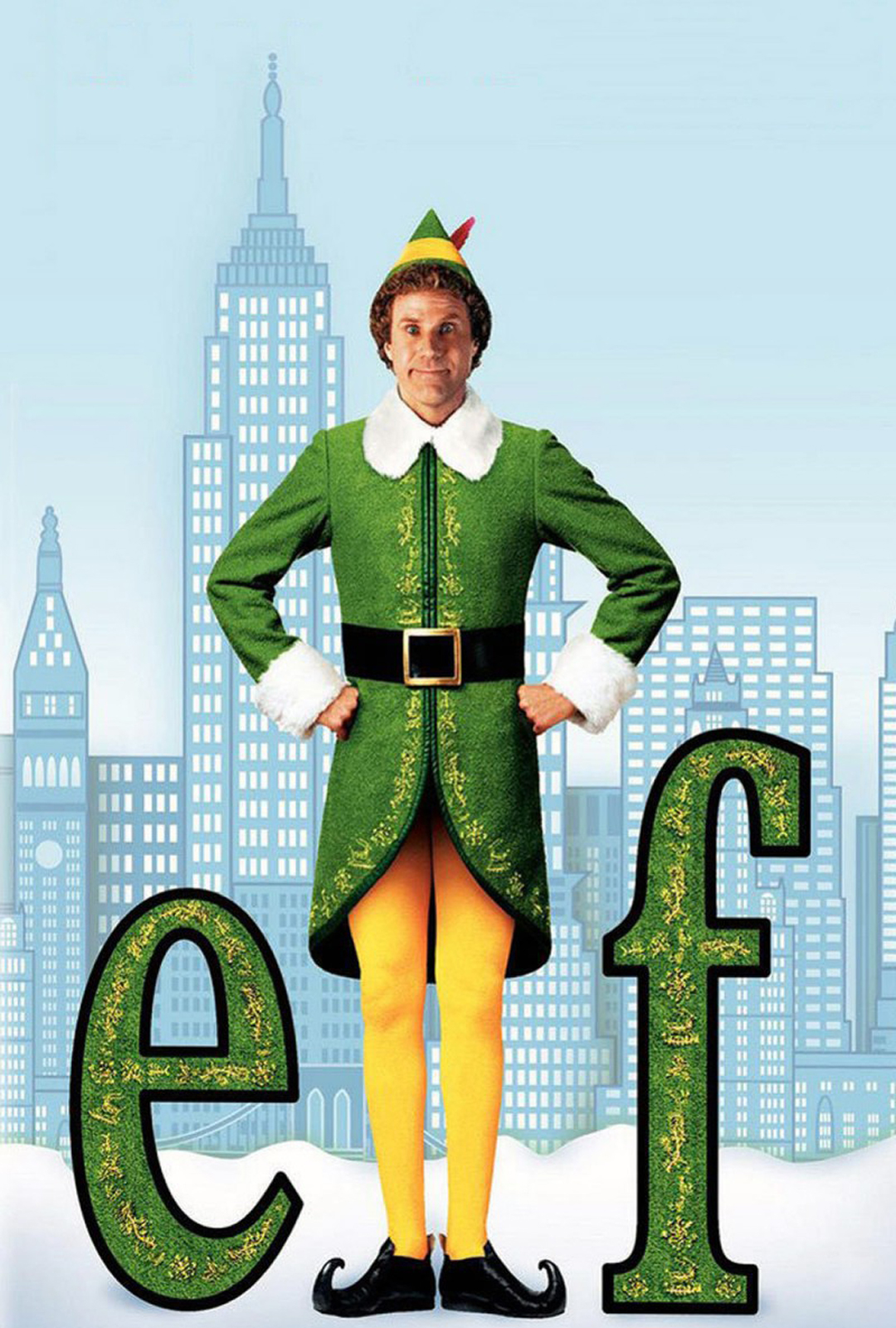
Elf PosterElf has rapidly made its mark on Christmas movie history, with the likely-true statistical fact that 1 in 3 people are able to recite the entire movie. Not many actors can make the transfer from streaking in Old School to singing in a green suit, but Will Ferrell was more than up to the task. This movie about a BIG Elf in the BIG Apple is a must see for many Christmases to come, no matter how much it is overplayed.

Rebuilding a Winner: Tribe to sign former Cards reliever John Axford

While other teams have already made some splashes in the free agent and trade markets this offseason, the Indians have been comparatively quiet, making a few minor moves.  Team president Mark Shapiro announced that this period of quiet would soon come to an end, though, when he stated earlier today that Tribe fans could expect a pitcher with experience at closer to be signed within a couple weeks.  Well, Shapiro and the front office wouldn’t need nearly that much time to make their move, as ESPN’s Buster Olney has reported that Axford and the Tribe are on the verge of agreeing to a deal.  The 30-year-old Axford started the season closing for Milwaukee, logging 54 2/3 innings for the Brewers and posting a shaky 4.45 ERA with six blown saves.  He was eventually removed from the closer role and subsequently traded to St. Louis, where he pitched 10 1/3 innings in the regular season and posted a 1.74 ERA.  In the postseason he made six appearances for the Cards, over which he only gave up one earned run.  Axford’s best season by far was his 2011 campaign with Milwaukee, in which he recorded 86 strikeouts, 46 saves, and a sparkling 1.95 ERA.  Over his career Axford has saved 106 games and put up a solid 3.29 ERA.

Lumberjacks compete for honor, syrup

by Cole Brownsberger ’14

An horde of axe-wielding, syrup-sucking fiends descended on Saint Ignatius on Friday, December 13th, hungry for pancakes and victory. Beating their chests, annihilating logs, wildly firing arrows and roaring their love for Mother Canada, the flannel-laden lumberjacks lived up to their Paul Bunyan-esque reputation.

lumberLumberjack Day has become widely popular during the weeks leading up to Christmas and it couldn’t have been possible without the Student Senate. The event was a rousing success, despite the predictions of pessimistic Tree Huggers.

Hundreds of Ignatians embraced their inner Lumberjack and wore the apparel of true Canadians. Upon arriving at school, freshmen were stunned to see the bare legs of Ryan Cooper and several other seniors wearing jorts. The temperature was under 30 degrees and those legs were undoubtedly freezing cold.

During lunch periods, Student Senate ran competitions, including log sawing, flap jack eating, running with a bundle of wood, and bow and arrow shooting. According to eyewitness Richard Kraay, the team of Cole Brownsberger, James Brenner, Chris Bunder, and Antonio Zodda were seen drinking straight syrup as a victory celebration for having a record relay time of 1 min 35 sec after competing during 7th period. The syrup was said to be served shaken, not stirred.

After a long day at work, the lumberjacks retired to their homes north of the border, clutching their trophies and carrying cartons of frozen syrup on their shoulders. Their rugged jawlines and burly arms will be sorely missed around campus, at least until their glorious return next December, when lumberjack rivalries will be settled and legends will be forged.

CYO Joe: The Journey Begins

The time has come, Saint Ignatius.  After a grueling offseason of extensive lifting, conditioning, and pickup balling, the true athletes of Northeast Ohio are once again ready to take the stage.  With massive amounts of trash talk flying left and right on a daily basis, we all know what this means.  That’s right, the CYO basketball season is officially upon us.  This weekend, the season kicked off in earnest as division play–and with it the difficult road to the state title–began.  I am not here to give you the power rankings (those are coming soon), but I will say that there appears to be a very strong crop of ballclubs headlined by Ignatius players this year.  Among these teams are two squads that will actually be wearing the name of our famed Alma Mater, the defending state runner-up Our Lady of the Lake/Holy Cross Falcons, the high-flying St. Albert the Great Mustangs (nobody likes them though), the tough St. Ann Sabres, the always-dangerous St. Joseph and John Vikings, and several other respectable teams.  Overall, there is no doubt in my mind that this season will bring plenty of classic CYO action.

In order to properly document the 2013-2014 season, I will be running a blog that will highlight the action of each weekend and potentially update the power rankings as well.  I am open to any and all suggestions as to what I should be discussing in each post as well.

Good luck to all CYO ballers this year.

Dean of Academics mulls elimination of weighted grades

by Patrick Millican ‘15

Over the last few years, the Saint Ignatius rumor mill has generated some fairly colossal canards, but recent stirrings about a proposed de-weighting of classes hasn’t been one of them.

The current grade-weighting system, which is similar to the model by which many other area schools abide, mandates that a grade for an honors-level class have .25 points tacked onto it and an AP-class grade have .5 points added, before being averaged into a student’s GPA.

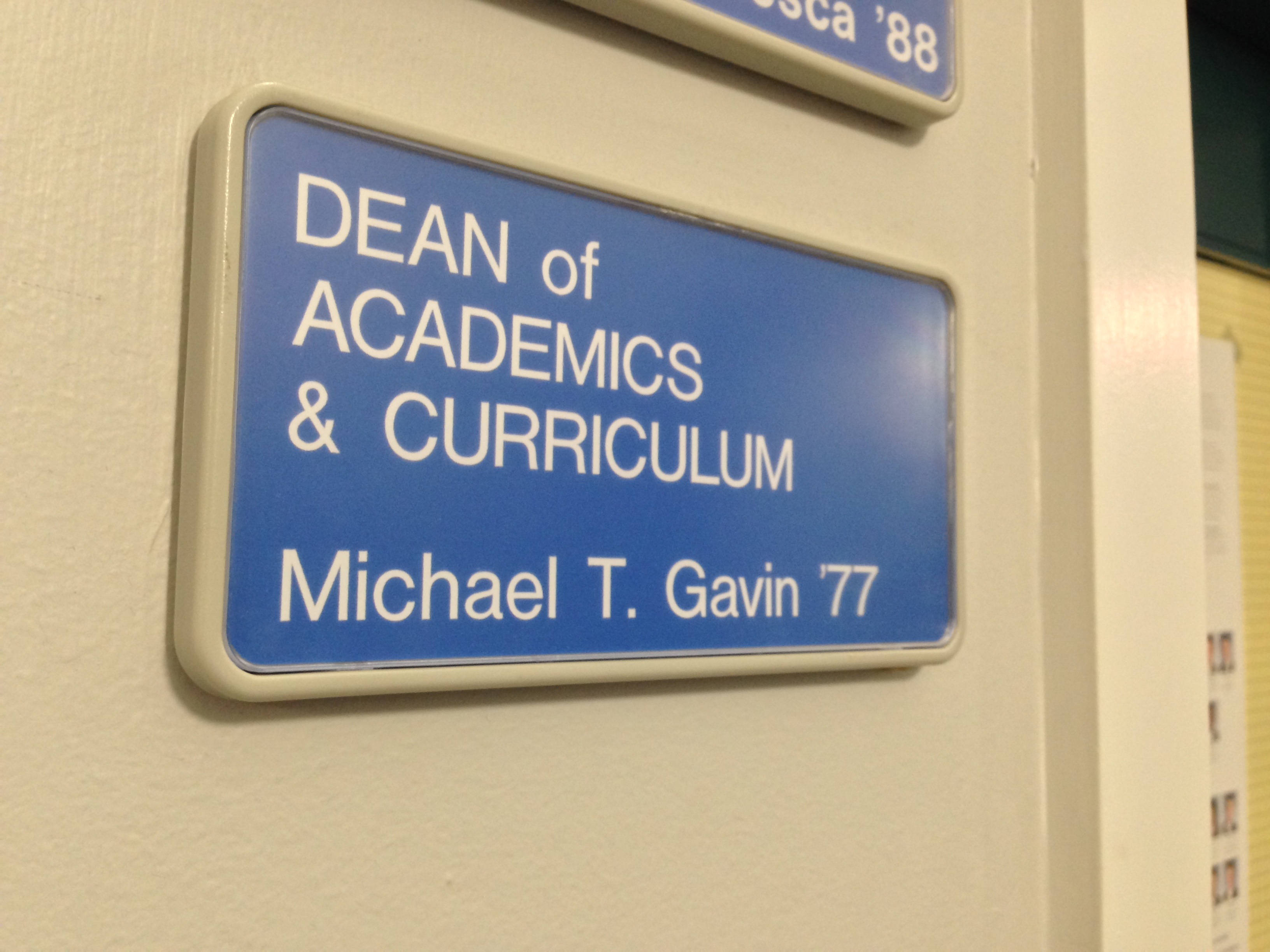
Since the beginning of the year, the office of Dean of Academics, Mr. Gavin, in conference with the office of the Dean of Teachers Mr. Ptak, has been seeking advice from area high schools, college admissions directors, and fellow administrative staff as to whether the current grade-weighting system should be abolished or changed.

But, some might ask, if it ain’t broke, why fix it? A better question–the one Mr. Gavin has begun asking–is Why have it in the first place? He cites most colleges’ practice of taking the weight off students’ grades when they review their transcripts. In other words, colleges alter the GPA figures they receive by making all A+s worth 4.3, all As worth 4.0, etc., and instead measuring how difficult classes are by reading short course descriptions sent to them by high schools.

An example goes as follows: A student enrolled in Honors Algebra II-Trig with Limits who earns an A- one semester would earn a 3.95 to be averaged into his school GPA. However, when that class shows up on a college résumé, the admissions person reading it would ignore the weight put on the class and instead look at the grade purely as an A-. Then, he or she would read a description provided by our school of what is studied in Limits to determine how difficult of a class it really is, disregarding the distinction “Honors.”

The system currently in place, some allege, is a flawed one because it puts too much stress on whether the title of a class includes either of two words (namely “Honors” or “AP”). In some cases, it may incentivize students to place undue priority on their GPA numbers by taking classes that are out of their depth and disregarding other important considerations during class selection, such as the course’s teacher and the demand the class puts on the student’s time.

Mr. Gavin believes there ought to be a “balance”: an incentive that entices enough students to take classes for which they’re prepared but that doesn’t artificially increase the average student’s GPA or lead him to enroll in courses he can’t handle.

In order to get a good idea of how the student body would feel if these changes were to be implemented, an unscientific poll was taken of a small sample of students from all four grade levels. They were asked how they and their classmates would react in the event these proposals ever became a reality.

The findings? The plurality of responses were negative, many students who fell into this category voicing opinions to the effect of “That would defeat the purpose of taking higher-level classes” and “Way fewer people would take honors or AP classes.” Matt Kobunski ‘14 said that the proposal “wouldn’t be fair” for students who have chosen to shoulder a greater workload and whose GPAs therefore ought to evince that decision.

Others said that their choices of class and those of their classmates would remain unchanged. As Joey Ripcho ‘17 put it, “It wouldn’t change a thing.” Some reactions, in fact, were cautiously cheerful: Tyler Cornell ‘15 said the proposal would improve the situation and would make things “fairer,” but parenthetically added that for others, “it would depend whether they continued taking advanced classes.” Still others, of course, expressed apathy towards the policy or seemed bemused when informed that grade-weighting existed at all.

Never fear, scandalized students, since as of printing, there are currently plans to nix the current weighting system or alter it in any other way; as Mr. Gavin put it, “They’re just being kicked around.”

Average GPAs have risen steadily over last decade

by Kellen Dugan ’15

Over the last decade, the median cumulative grade point average (GPA) of the Saint Ignatius graduating class has risen by .25 from 3.28 to 3.53. Although the fraction seems insignificant, that quarter grade-point is essentially the difference between a B+ and an A- average. The criteria for academic honors were recently revised to make it more difficult to achieve honors, and yet there are still more students achieving first honors than second honors. The basis for the significant rise in student grades appears to be rooted in grade inflation.

Although the phrase grade inflation carries a negative connotation, in an academic context grade inflation simply refers to a measurable rise in GPAs. And under that definition grade inflation is objectively occurring at Saint Ignatius, evidenced by both the rising GPAs as well as the skyrocketing number of students achieving academic honors.

Lumping the entire phenomenon under the broad umbrella of grade inflation is too easy. Inflation is happening, but the factors contributing to the phenomenon are up in the air.

Three chief components, according to school officials, stand out as causes for grade inflation at St. Ignatius: the increase in students taking weighted classes ( those falling under the AP and Honors subcategories), societal expectations about classroom measurement, and pressure to succeed.

The first factor, according to Mr. Gavin, Dean of Academics, is self-explanatory: more students are taking their chances in courses that are more difficult but have a weighted boost, and therefore GPAs are significantly increasing.

Mr. Bob Corrigan, History Department Chair and AP US History teacher, said that the framework by which students are judged has shifted.

[pullquote]

“We as a society have changed how we understand what grades mean,” Corrigan said.

[/pullquote]“We as a society have changed how we understand what grades mean,” Corrigan said.

He went on to point out that a C grade, which has always been considered the average, is no longer acceptable for most students. The B has replaced the C, and the only way to demonstrate excellence in academics is the A alone. He says this is not what the grading scale was initially designed to reflect.

The competitive academic atmosphere at Saint Ignatius may have also fostered the expectation that the academic average of a student here is supposed to be higher than at most other schools.

High expectations don’t necessitate inflation, but they do increase pressure to achieve, which is less concrete but nonetheless crucial in the rise in average grades.

The trend behind higher grades has a root in the behavior of teachers as well as students. There is serious pressure on teachers to give better grades, pressure on students to earn better grades (self-influenced and parental), and pressure from society as a whole for everyone at Saint Ignatius to do well.

Mr. Corrigan also said that the expectations of society lead to pressure on teachers to give better grades. Teachers do not want to give hard working students poor grades, especially when those grades do not adequately reflect that student’s knowledge of the material.

He thinks teachers are hesitant in giving low grades because they question themselves and their methods before questioning students’ ability, which tends to contribute to higher grades. From the student point of view, most students feel pressured by society, parents, or themselves, especially at Saint Ignatius, to achieve above average grades.

Being held to a flawed understanding of what grades should reflect may result in students working to earn grades that they might not necessarily deserve, he said. And society expects too much out of students, parents expect too much out of students, and students expect too much out of teachers.

The results of each of these expectations are grades given to students that might not reflect their knowledge of the subject material.

The improvement of cumulative GPAs in and of itself is not negative, but what the increase signifies for academic life on campus is troubling. And some in the administration are concerned.

“When I hear grade inflation, what comes to mind is that students are receiving grades that might not equate with their knowledge of the subject,” Mr. Gavin said.

Since grades are the primary means of differentiating between students’ academic ability, it creates problems for teachers when those grades are no longer accurate.

Mr. Ptak, Dean of Teachers and Honors World History teacher, agrees that inflation is bad under certain circumstances.

“Students who haven’t honestly done the work are reaping the rewards,” Ptak said, “that students who have honestly done the work should be receiving.”

However, Mr. Ptak also brought up that Saint Ignatius defends against inflation to a certain degree with the existing grading scale.

If the current system is flawed, there may be alternatives.

Mr. Corrigan is an advocate of dropping weighted grades, which would absolutely inhibit inflation, but students tend to look down on that alternative and the possibility that it would deprive them of higher, college-ready GPAs.

One option could be a total overhaul to the existing A-F grading system. While this alternative option might solve the inflation problem for now, expectations for classroom success won’t change, and no perfect solution is in sight. But the current, aging grading system, despite inflationary trends, is still functioning, dragging GPAs higher regardless of whether or not students are improving.

Endowment fund reaches all-time high

by Alastair Pearson ’14

The endowment fund, contrary to popular misconceptions that it may support construction, teacher salaries or golf outings for the faculty, is used primarily for the purpose of funding tuition assistance. Just five percent of the fund is spent every year, to keep the principal intact. And that core hub of capital is thriving.

The Saint Ignatius endowment fund reached an all-time high on August 14, 2013, recovering from a recession-era low point in March 2009. The endowment fund gains bolstered the school’s net assets.

Total value of the fund in non-inflation adjusted dollars nearly doubled from 2002 to 2007, before plummeting to the 2009 nadir and and beginning a recovery that reached pre-recession levels in June 2012.

The school’s chief financial officer, Richard Klingshirn, said that the fund’s rise to the August peak was the result of a strong market and new donor contributions.

“This is frankly a lesson in economics and finance, which is to be patient and wait it out,” Klingshirn said. “Just have faith in the markets, and they do come back.”

The return for the endowment fund during the school’s 2013 fiscal year ending June 30, 2013, was 12 percent, which coupled with new contributions helped to push the fund $10 million higher than the year before. Klingshirn said the results were excellent but atypical.

“It’s not going to be 12 percent every year,” he said. “If we were going to look over any 10, 20 year span, we’d expect to see six or seven percent.”

The investment sub-committee of the Board of Regents, which Klingshirn sits on as staff representative, conducts quarterly reviews of the endowment fund’s performance and may add or drop investment advisors. Klingshirn credited the board’s policy with the endowment fund’s gains.

“A sound and prudent investment policy, coupled with rigorous and disciplined investing principles and a steady stream of new contributions from many generous benefactors, have resulted in a current market value that is more than double the value of 10 years ago,” Klingshirn said.

About $3 million a year is donated to the endowment fund, which works in conjunction with the annual fund to extend financial aid to students. The annual fund is a financial aid fund that exists for the duration of each fiscal year.

Other funding sources for financial aid include the annual Christmas Concert and the Scholarship Drive. Donations for new construction like Gibbons Hall are solicited and coordinated on a case- by-case basis and financial support for those projects comes from outside the endowment fund and annual fund.

Klingshirn said that the school spends around five percent of the endowment on tuition assistance per year, contributing to a total of $4.5 million in aid, which supports close to 50 percent of the student body.

John Morabeto, Vice President of Institutional Advancement, said that Ignatius stands out among peer institutions for total financial aid generosity. Ignatius has one of the top five largest endowment funds for Jesuit high schools in the United States, according to Advancement office data.

“Of the 59 largest Jesuit high schools in the country, Saint Ignatius provides the most financial assistance,” Morabeto said.

The high ranking is for total aid, not aid per capita. The school does not give full scholarships.

“We only have so much,” Klingshirn said. “If something is free, it doesn’t have value.”

The advancement office is preparing a campaign to raise $20 million for the endowment fund, which would provide another $1 million per year for tuition assistance. Jeff McCormick, Director of Development and Planned Giving, said that the school recognizes the sacrifice required to pay tuition.

“The financial need of our community has increased dramatically,” McCormick said. “Our tuition continues to go up to reflect our costs.”

Tuition, counting fees tacked on to the official total, is over $14,100. And Klingshirn said that number still does not reflect the financial costs of attending Ignatius, citing the $2,000 disparity between tuition and the $16,100 the school spends per student. The gap is made up with income from summer programs, the bookstore, and miscellaneous revenue sources.

“Every student is in essence getting a $2,000 a year break,” Klingshirn said.

The school’s budget is approximately $23.5 million. As a non-profit institution, Saint Ignatius must use revenue to further the goals of the school. It does not distribute dividends or have shareholders.

“Our goal, which we’ve achieved this year, which we tend to achieve, is to break even,” Klingshirn said. “That doesn’t prevent you from making money, but you’re just obligated to use profits to re-invest in the institution.”

Lisa Metro, Director of Communications, said that given the financial difficulties affecting other non-profit Catholic schools, the endowment fund is vital to keeping Ignatius financially sound.

“The goal is to make a Saint Ignatius education possible for all, regardless of economic disadvantages,” Metro said. “Having a strong endowment keeps our school strong.”

Demystifying the Kairos experience

by Chris Bunder ‘14

When an Ignatius man takes a look back at his four years at the end of his tenure, one of the hallmarks of the great odyssey is often remarked as being the Kairos retreat. However, it’s interesting that something so powerful can remain in the dark for so many, for all those who haven’t witnessed first-hand what really makes the experience tick.
At its heart, the retreat certainly has a religious agenda, as the word itself is loosely translated as “God’s Time.” The couple days are rooted in finding God’s presence in our lives, whether in the people around us or in our own actions. Teachers speak and groups meet, all in speaking of the presence of God in the world and how one might be able to find Him. Many students certainly take to the religious aspect of the retreat, as Jack Lupica, ’14, claims, “Kairos is a spiritual experience whereby students are given the opportunity to examine their lives in a new light, guided by the Holy Spirit. Truly a life changing experience!”

But what really makes the experience a lasting one is in the student leadership and participation, as it allows for young men to grow, supported by one another, in a rather unusual way. It’s not often that a person can speak of his hardest struggles, his deepest fears or his most crushing failures in front of a group of forty other guys, and there’s certainly something special that can be said about that. Senior leaders speak to Juniors they might never have crossed paths with and that alone can foster some incredible relationships. Nick Decore, class of ’14, tells of this specifically as he says: “It’s a great time. Even in all the seriousness, it is still fun and enjoyable. It’s different being a senior leader than being a junior retreatant. I guess you just get a different form of joy because you are seeing the kids grow up and open up.”

But in a broad sense, it’s very difficult to pin a definition to the experience, just because that definition varies so greatly from person to person. But while the details can differ, the fact of it being worthwhile remains fairly consistent across the board. Whether in the no-sleep-early-morning grind or in the “Kai-High” back at home, Kairos carries a unique effect that can’t quite be described; that is essentially what makes it so memorable.

“Can we have class in there?” Random doors, secret rooms surprise unsuspecting students

by Brian Sabath ‘17

As students walk to their class on the third floor of the Main Building, they might not even notice the door to the right of the Main Stairway. Or when students are running late to their fifth floor art class, they might not see the extra set of stairs that lead to the top of the St. Ignatius Tower. Whether or not students notice these secret rooms, they are there, each with its own mystery.

img_1796
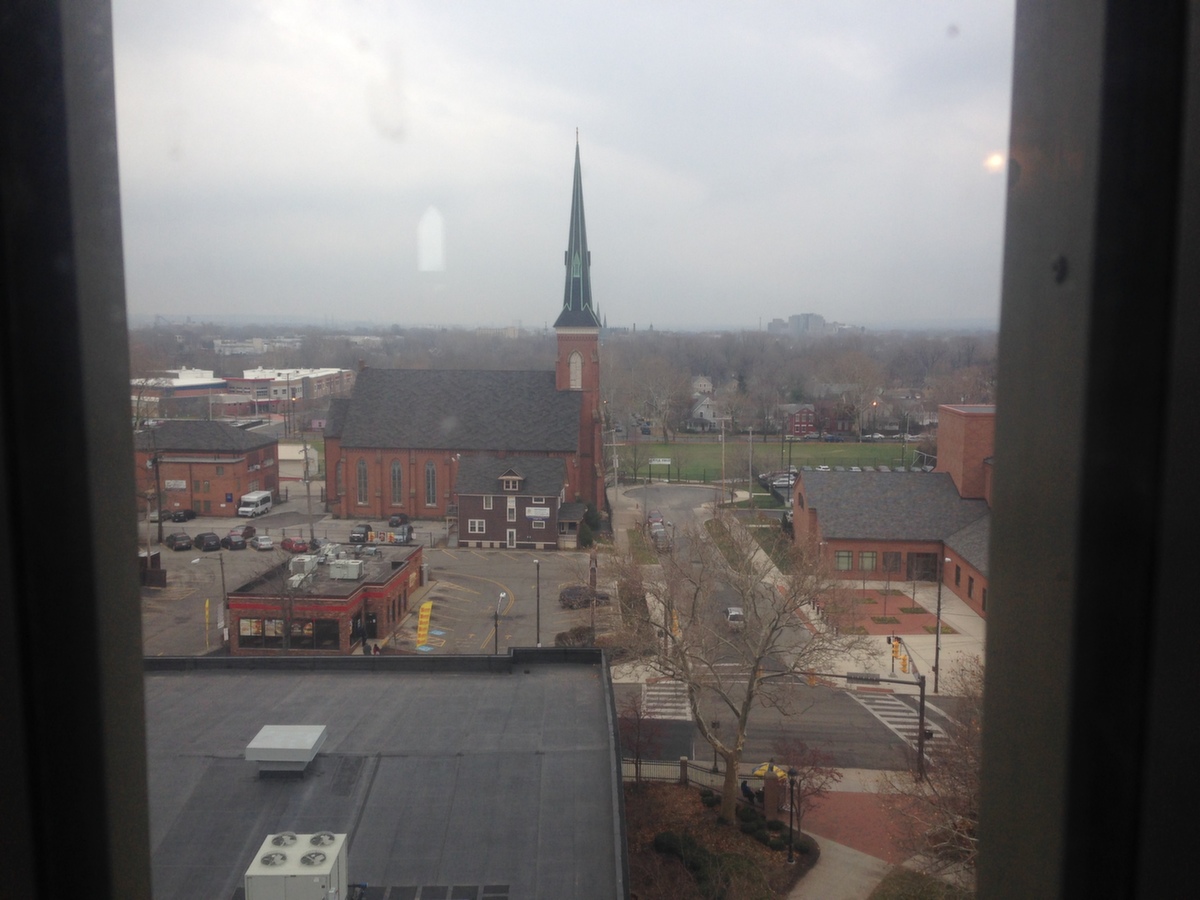
This is the south view from the Tower Conference room atop the Main Building.

Few students are aware of what lies behind the door next to the Main Stairway on the third floor of the Main Building. There is an elevator, as well as a door on the right side of the room. The door, the bigger enigma, leads to the roof of the Math Wing and Library. Though students are not allowed to use the door, maintenance workers use it as a means to get to the roof to clean.

Furthermore, many students do not realize that there is a sixth floor to the Main Building. The Tower Conference Room is located on the sixth floor of the Main Building, used primarily for important meetings for Father Murphy. If any teacher wishes to use this room, requests need to be approved by the President’s office. Before being used as the Tower Conference Center, the sixth floor served as attic space and a weather observation deck. In the late 1890’s, six Jesuits a day would go to the very top of the Main Building and record the weather patterns by looking out the windows and scanning the horizon.

So, next time you are headed to Main Building classes, or walking across the Quad, look up and try to spot these secret rooms, and be happy you don’t have to record Cleveland’s weather patterns on a cold, wintery day.